
- 3 weeks ago
Prepaid vs Postpaid SMS for Business: Which Plan Should You Choose?
Compare prepaid and postpaid SMS plans for business: costs, flexibility and scalability. A practical guide to choosing the right option for your needs.
Compare prepaid and postpaid SMS plans for business: costs, flexibility and scalability. A practical guide to choosing the right option for your needs.

Practical methods for collecting valid, GDPR-compliant SMS consent with simple opt-in forms that don't scare away subscribers. Real-world examples included.

SMS marketing is legal when you follow consent, opt-out and GDPR rules. Find out exactly what's allowed, the risks of non-compliance, and how to run lawful campaigns.

From delivery rate to revenue per message: the metrics that reveal whether an SMS campaign actually works and how to make better data-driven decisions.

Compare SMS and RCS on coverage, cost, content richness and security. A practical guide to choosing the right messaging channel for each use case.
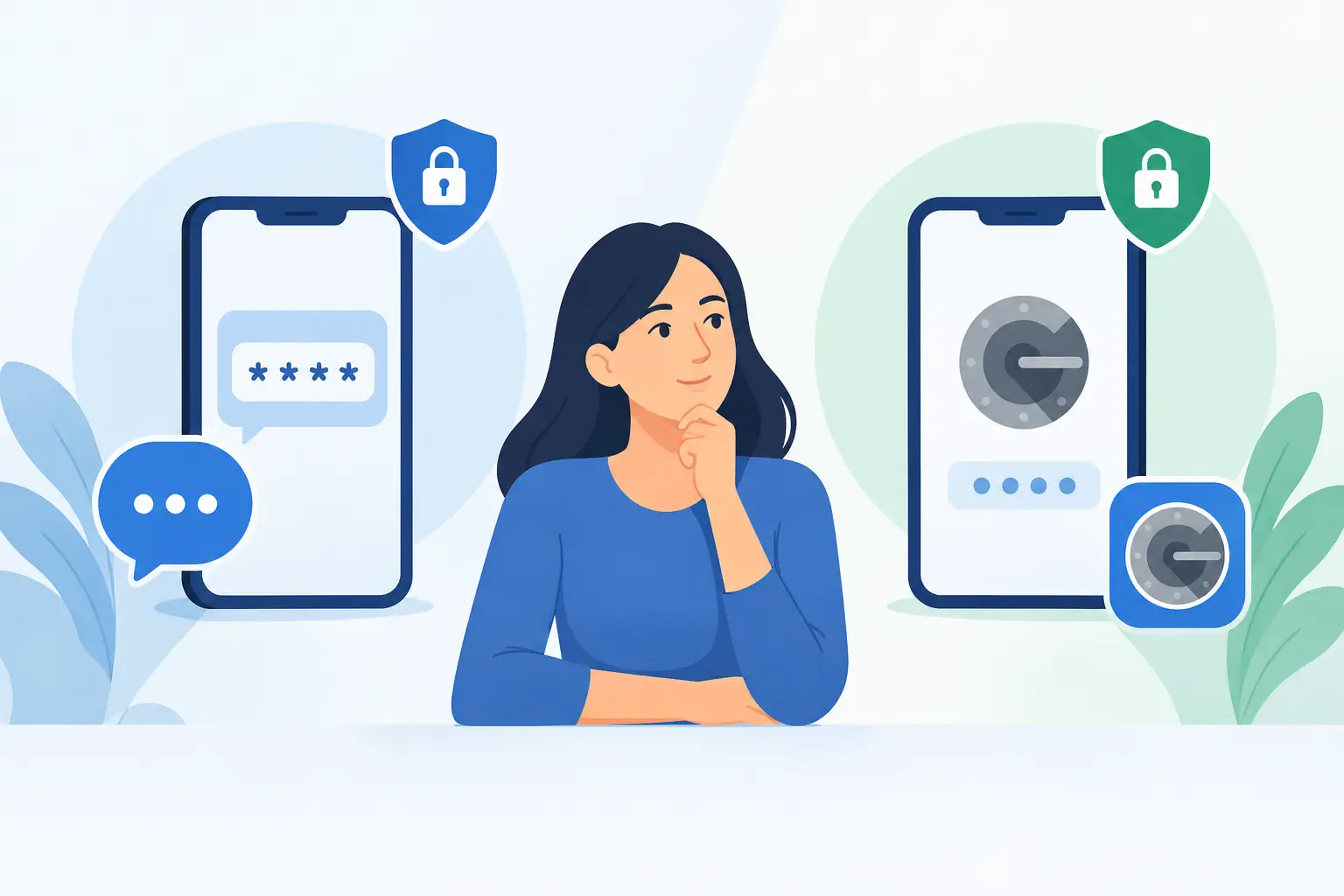
Compare security, cost and user experience for SMS OTP vs. authenticator apps. A guide to choosing the right method based on your risk level and audience.

Discover how two-way SMS can boost conversions, cut no-shows and improve customer support — with practical examples and implementation tips.

A practical anti-fraud guide for businesses: red flags to watch for, verification procedures and how to train your team to spot vishing attacks.

Understand the difference between "sent" and "delivered" in SMS marketing, what causes delivery failures and how to verify your messages actually reach recipients.
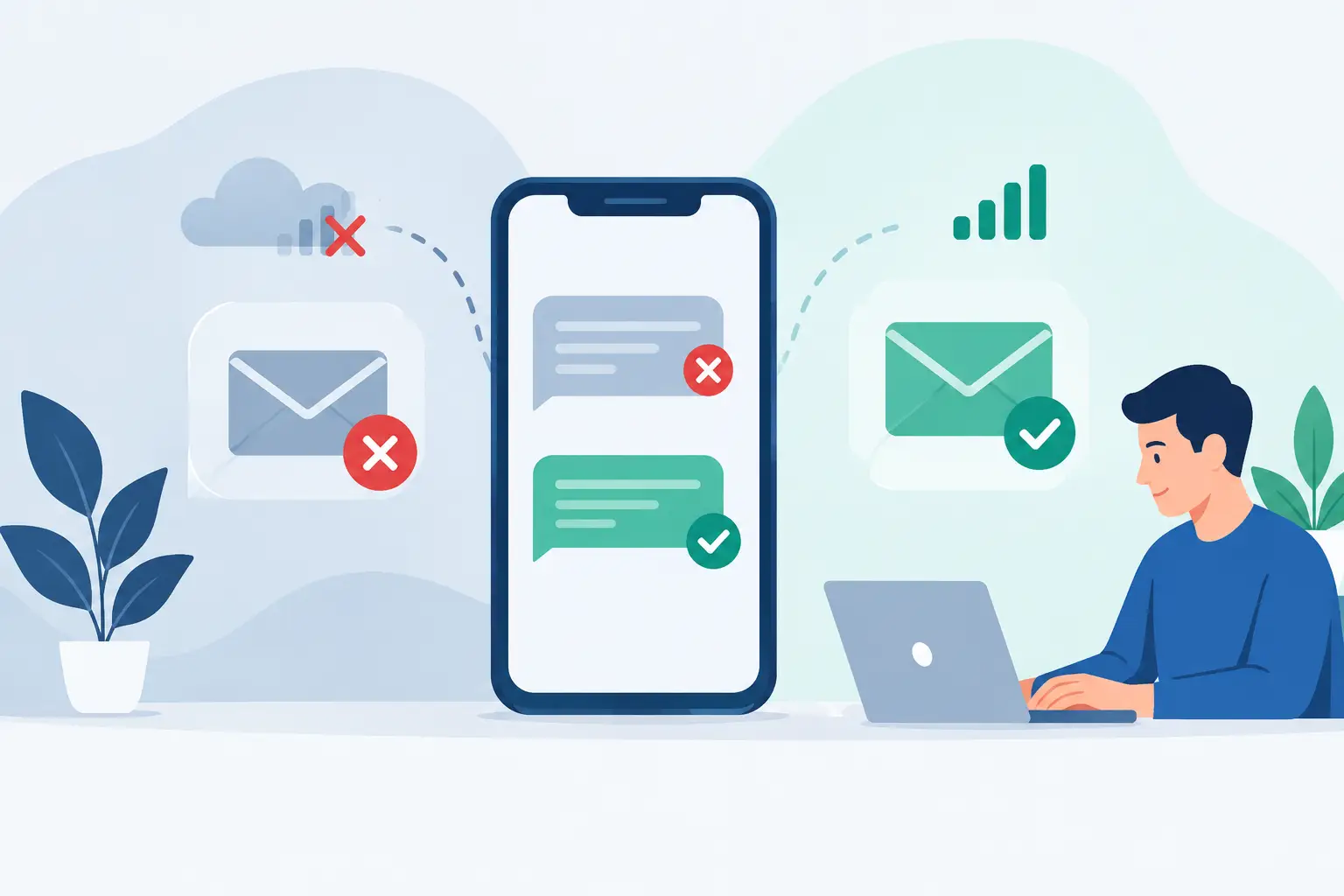
The most common reasons SMS messages don't reach recipients — invalid numbers, operator filters, routing issues — and practical steps to improve your delivery rate.

Yes — customers can reply to your SMS messages. Learn how two-way SMS works, when to use it, and how to set it up for support, confirmations and sales.

Real SMS automation examples for order updates, reminders, re-engagement and loyalty programmes — with tips on triggers, timing and message copy.

A practical guide to integrating an SMS API for automated alerts — authentication, endpoints, delivery callbacks and error handling explained clearly.

Understand the difference between SMS API calls and webhooks, when to use each, and how to choose the right integration pattern for your messaging flows.

Ready-to-use SMS message examples for recovering abandoned carts — with timing advice, personalisation tips and what to A/B test first.

Twelve proven SMS campaign ideas for retail: flash sales, loyalty rewards, back-in-stock alerts, seasonal promotions and more — with copy examples for each.

Personalisation goes beyond a first name. Learn how to segment, tailor offers and use dynamic fields to make every SMS feel relevant — and convert.

Set up reliable SMS alert automation: trigger logic, delivery monitoring, fallback routes and the common mistakes that cause delays in critical notifications.

Compare transactional SMS and email on speed, open rates, cost and use cases. A clear guide to choosing the right channel for each type of business notification.

A framework for comparing authentication methods — SMS OTP, authenticator apps, passkeys and hardware tokens — based on security, UX and implementation cost.

The criteria that matter when evaluating SMS providers: delivery rates, route quality, pricing transparency, API reliability, support and GDPR compliance.

From AI-triggered messages to conversational flows and RCS integration: the SMS automation trends shaping how businesses communicate with customers in 2025.
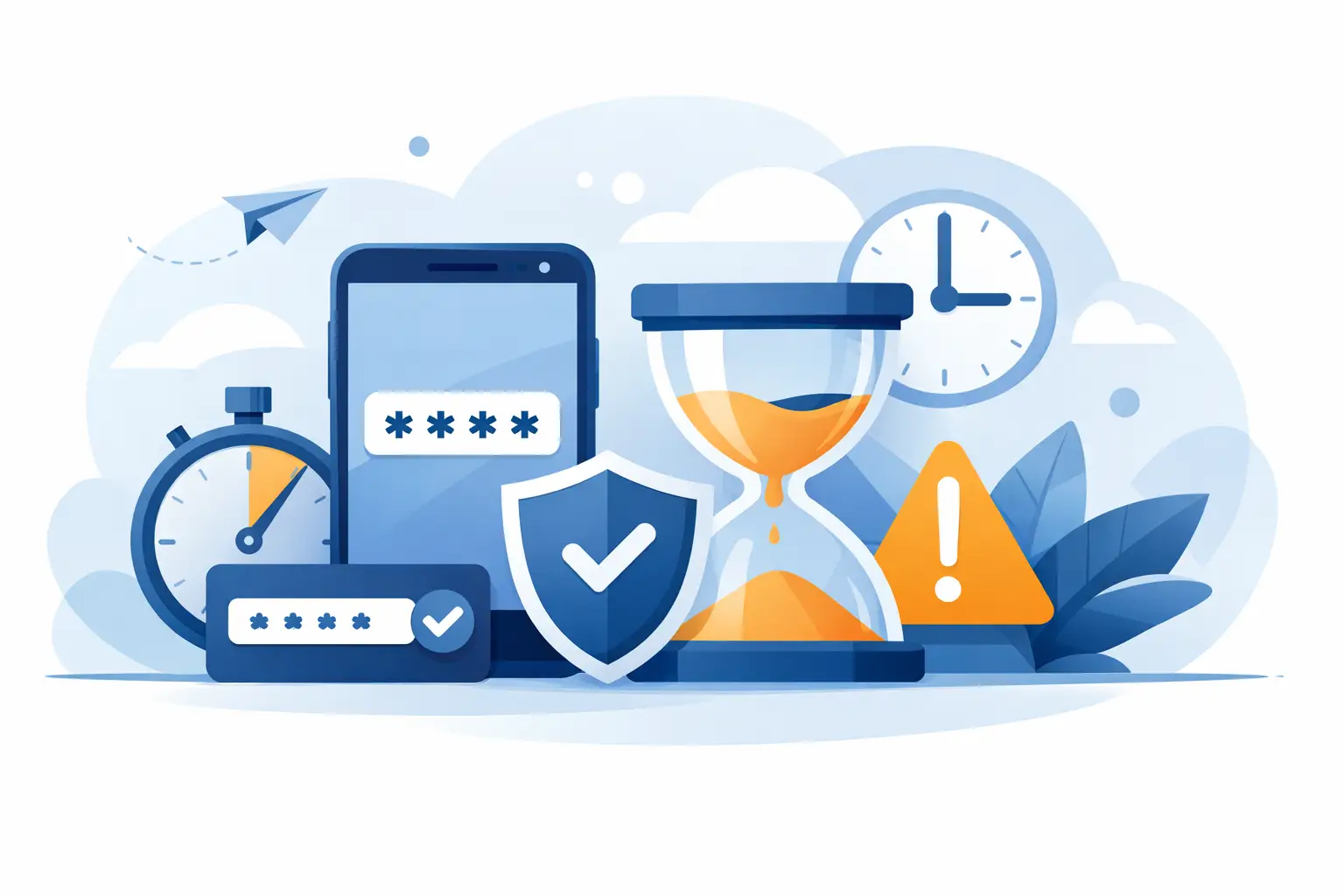
Why OTP expiry time matters for both security and conversion, what's the right window for different use cases, and how to handle retries without frustrating users.

Set up keyword-based auto-replies, escalation rules and handover flows that let you automate routine SMS conversations without sacrificing the human touch.

The messaging formats, timing strategies and personalisation techniques that businesses are using to get more replies and actions from SMS campaigns.

What delivery statuses mean, which metrics to track, how to spot routing problems early, and how to turn delivery data into actionable improvements.

Explore how AI enhances SMS: smarter segmentation, dynamic message content, intent detection in replies, and when to keep a human in the loop.

Organise incoming SMS replies efficiently: routing rules, team inboxes, response templates and integration with your CRM or helpdesk.

Practical SMS flow templates for onboarding, order tracking, appointment reminders, cart recovery and re-engagement — ready to adapt for your business.
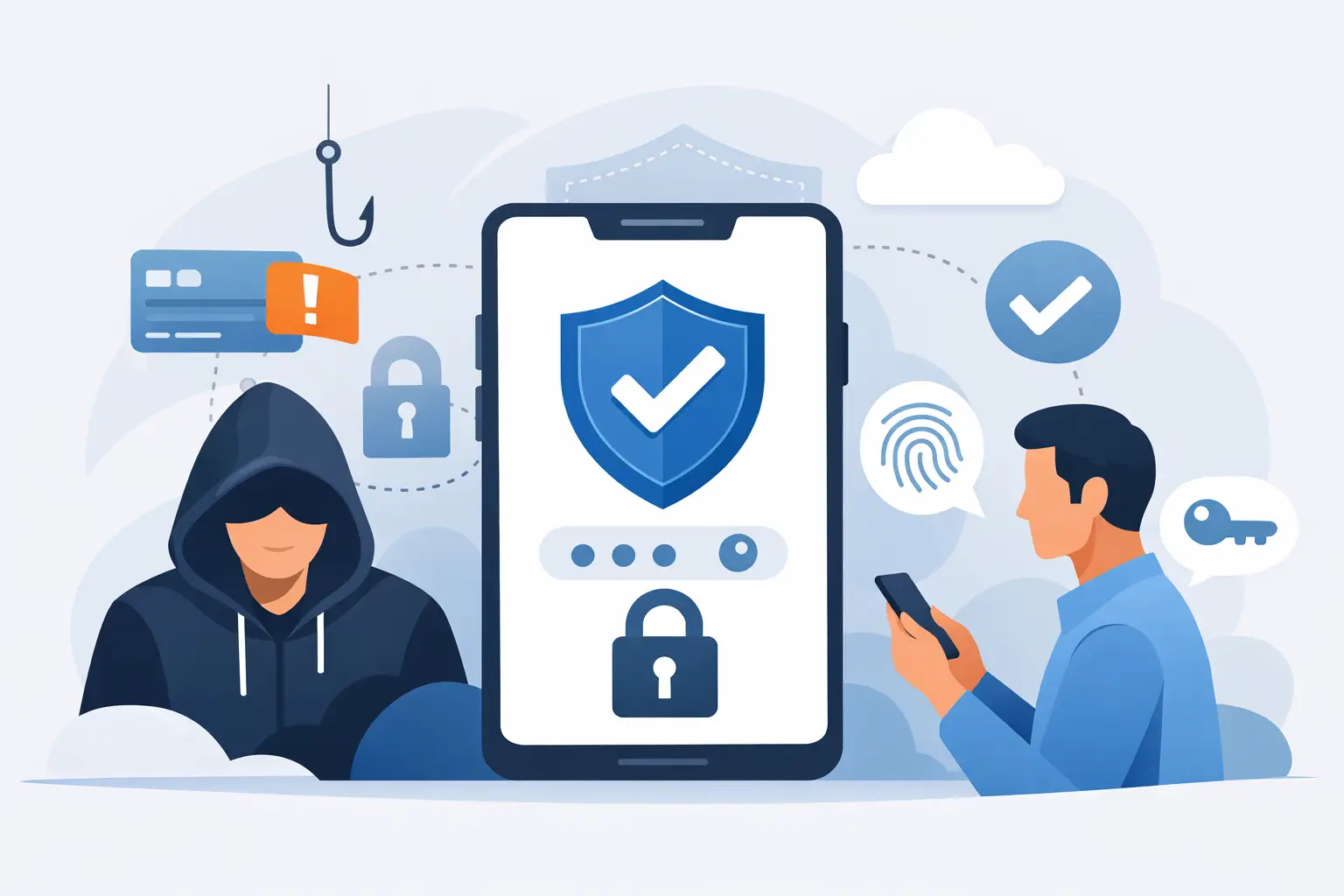
Strategies to detect and prevent OTP abuse — rate limiting, device fingerprinting, anomaly detection — while keeping the experience smooth for real users.

Everything businesses need to know about SMS consent: what counts as valid opt-in, how to document it, manage opt-outs and stay GDPR compliant.

Effective reminder SMS templates for appointments, payments, events and follow-ups — with advice on timing, tone and when to send a second reminder.
Best practices for OTP SMS delivery: route selection, expiry windows, retry logic, fraud detection and how to keep authentication fast without compromising security.

How to connect your SMS platform to CRMs, e-commerce stores, ERPs and custom apps — with the integrations that deliver the most immediate business value.
Requirements and best practices for financial SMS notifications — transaction alerts, OTPs, fraud warnings — with a focus on delivery speed and message security.

Phone verification confirms a number exists; OTP confirms the user controls it. Understand the difference and choose the right check for your onboarding or login flow.

A step-by-step example of an SMS OTP flow for onboarding: from number capture to code validation, retry handling, expiry and fallback options.

Order confirmations, shipping updates, payment alerts, OTPs, booking reminders — the transactional SMS scenarios that add real value for customers.

A step-by-step guide to building effective SMS marketing campaigns: audience segmentation, message copy, timing, links and measuring what worked.

How businesses use SMS for support: fast responses, async conversations, ticket status updates and escalation — and why customers prefer it over waiting on hold.

A practical guide to transactional messaging: what qualifies as transactional, best practices for content and timing, and how to avoid being filtered as spam.

Everything you need to launch SMS marketing: building your list, crafting messages, choosing send times, tracking results and scaling what works.

Consent rules, opt-out requirements, sender identification and data protection obligations for SMS marketing — covering GDPR and Romanian law.

Techniques for growing a high-quality SMS subscriber list: opt-in incentives, double opt-in, list hygiene and keeping engagement rates healthy over time.

A clear explanation of two-way SMS: how conversations flow, what infrastructure is needed, use cases for sales and support, and how to get started.

How clinics and healthcare providers use SMS reminders to reduce missed appointments — with message templates, timing recommendations and confirmation flows.

Key factors to compare when selecting a business SMS platform: API quality, delivery rates, two-way messaging, pricing model and customer support.

Understand when to send the same message to everyone and when personalisation pays off — with examples of both approaches and the impact on engagement.

A plain-English introduction to SMS APIs: what they do, how authentication works, common endpoints, webhooks for delivery reports and code examples.

Compare HLR lookup, MNP lookup and real-time verification tools for businesses that need to validate numbers before sending — and reduce wasted SMS spend.
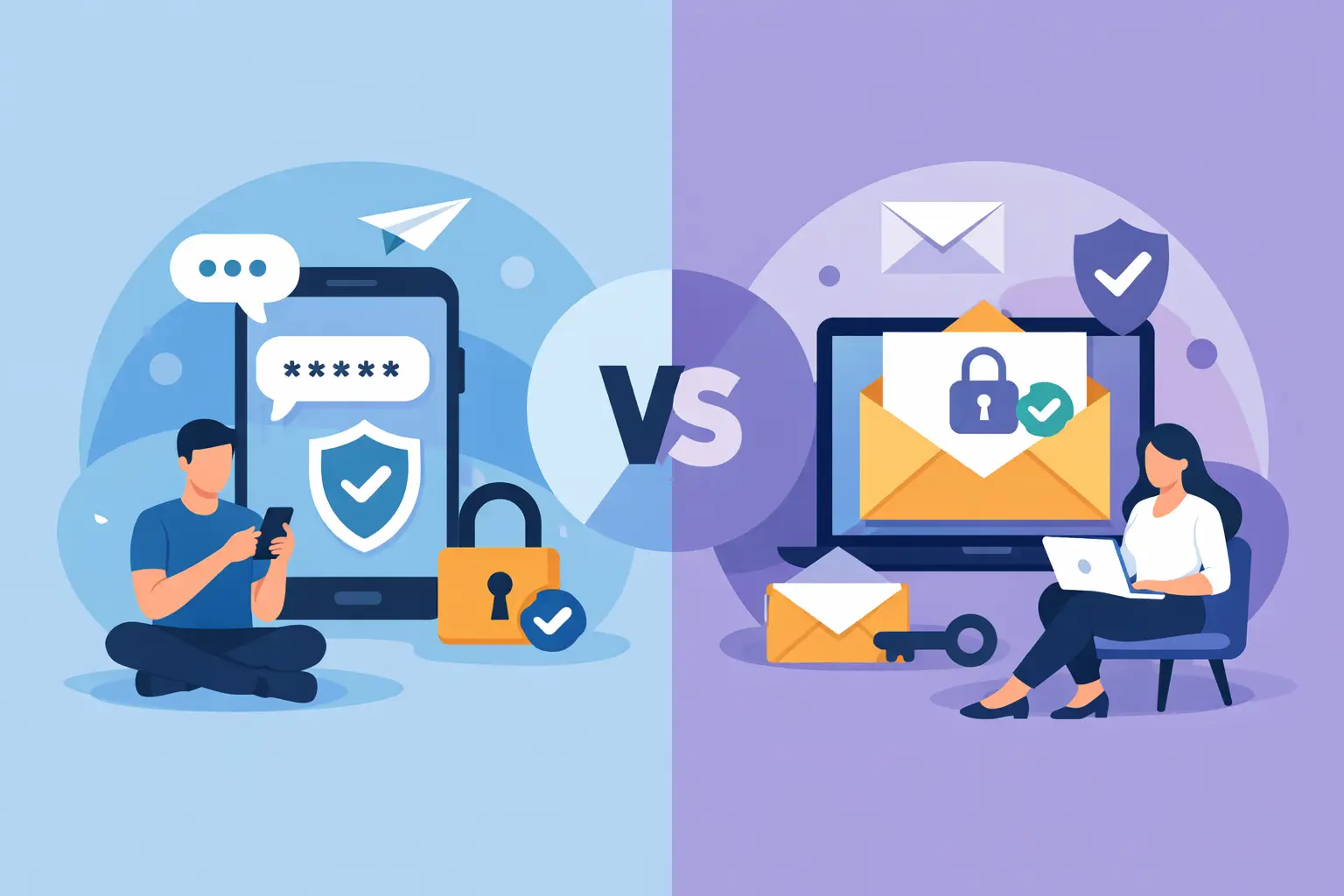
Compare one-time passwords delivered by SMS and email: speed, security vulnerabilities, user experience and which to use for different risk levels.

What affects reply rates — message clarity, send timing, personalisation, call-to-action design — and how to test improvements systematically.

Why verifying phone numbers before sending SMS matters, which methods to use (OTP, HLR, MNP), and how to integrate verification into your sign-up or checkout flow.

How to check whether a phone number is active, correctly formatted and reachable before adding it to a send list — saving costs and protecting sender reputation.

A head-to-head comparison of bulk SMS and WhatsApp Business for marketing and notifications — on reach, cost, content options, compliance and ease of setup.

A collection of high-performing promotional SMS templates for sales, discounts, events and re-engagement — with advice on what makes each one work.

The most frequent SMS API integration errors — wrong number formats, missing delivery webhooks, no retry logic — and how to build a reliable messaging integration.

Step-by-step SMS flow templates for online stores: order confirmation, shipping updates, delivery, review request and win-back — with message copy examples.

How to use SMS notifications across the e-commerce customer journey — from purchase confirmation to upsell — with examples and performance benchmarks.

Compare API integration with no-code SMS platforms: when to choose each, what you gain and give up, and how to decide based on your team's technical capabilities.
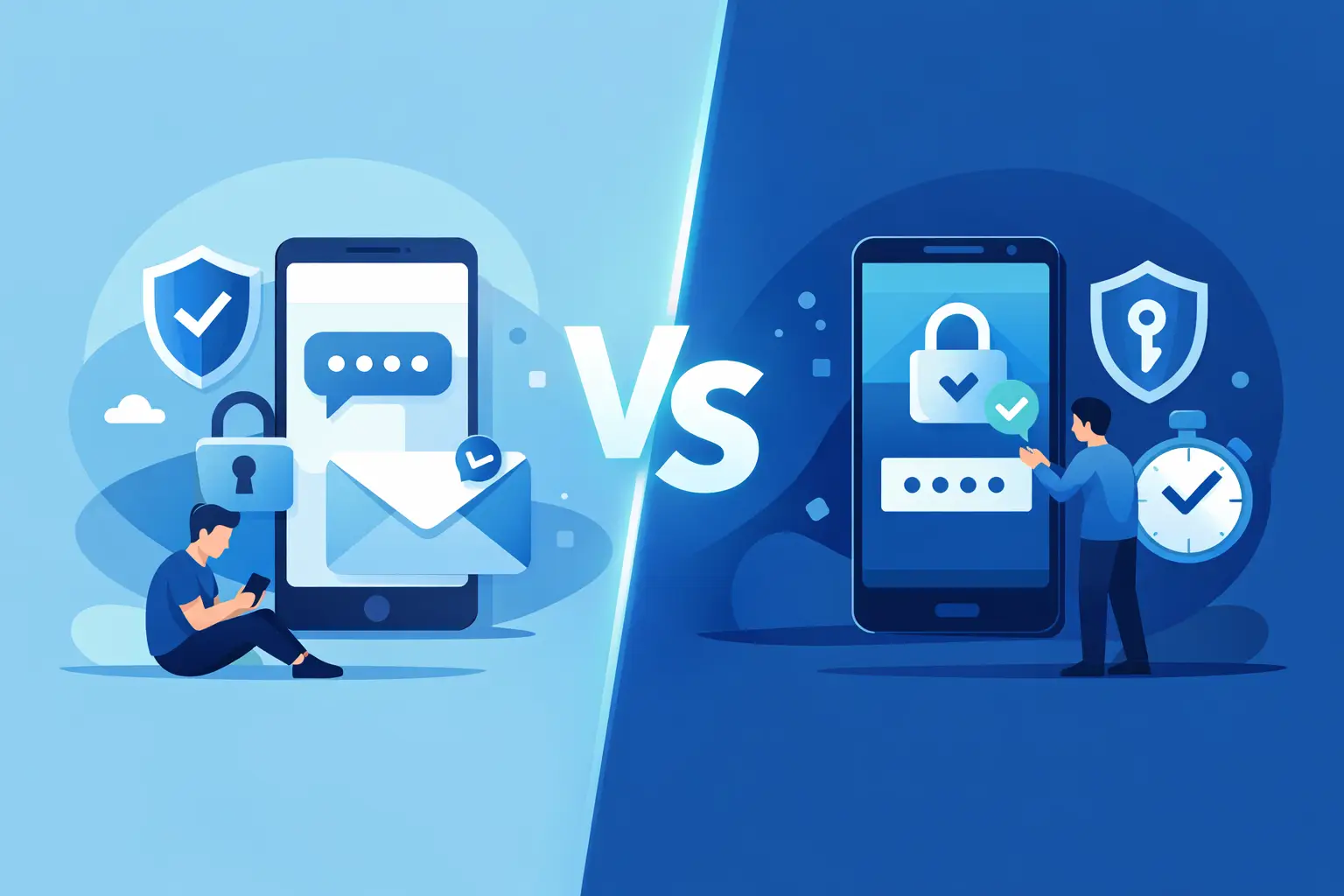
Security, usability and cost comparison between SMS OTP and app-based authenticators — with a decision framework for choosing the right method by use case.

Best practices for business SMS notifications — length, structure, sender name, timing and CTA — so your messages get read and acted on, not ignored.

Troubleshoot SMS delivery failures: invalid numbers, blacklists, operator filtering, content triggers and route issues — with fixes for each scenario.

Retail SMS promotion strategies that work: flash sales, loyalty offers, seasonal campaigns and win-back messages — with timing and segmentation advice.

Architecture and best practices for high-volume automated SMS: event triggers, queue management, delivery monitoring and cost optimisation.

Beyond technical issues — how outdated lists, poor content, wrong sender IDs and unmanaged opt-outs cause SMS delivery failures and hurt your sender reputation.

What to know before sending SMS internationally: number formatting, country regulations, local operator rules, delivery rates and how to choose the right routes.

How to run SMS marketing that moves revenue: list quality, campaign structure, message copy, send timing and the metrics that show whether it's working.

How to craft urgency-driven promotional SMS for flash sales — the right copy formula, timing, frequency and what to avoid to protect your sender reputation.

How to connect your SMS platform with a CRM to trigger personalised messages from customer data, log conversations and measure SMS impact on the sales pipeline.

Planning and executing bulk SMS campaigns: list segmentation, message templates, send scheduling, delivery tracking and compliance essentials.

What to look for in a business SMS platform: API capabilities, delivery infrastructure, two-way messaging, pricing transparency and quality of support.
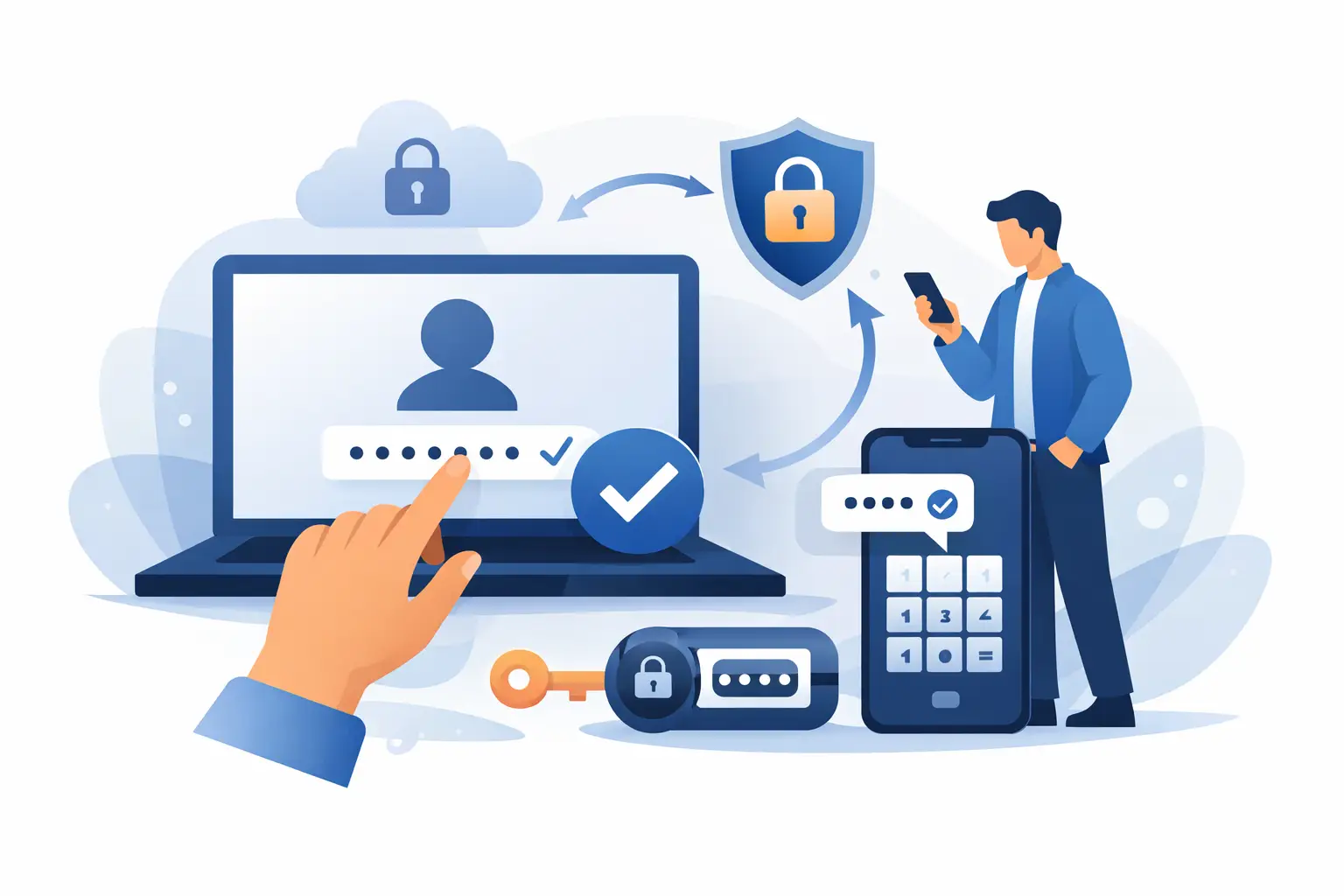
A developer-friendly guide to adding SMS-based two-factor authentication: flow design, API integration, code validation, expiry and account recovery.

When SMS outperforms email and vice versa — open rates, timing, content types and cost — plus how to combine both channels for better overall results.

Configure event-triggered SMS alerts that fire on time, every time: trigger logic, API setup, delivery confirmation, error handling and monitoring.

How sales and operations teams use SMS: lead follow-up, pipeline nudges, order coordination, supplier communication and internal alerts.

Practical ways to lower your SMS spend: number validation, route optimisation, message length control, list hygiene and smarter segmentation.

Seven real-world SMS campaign scenarios — retail, e-commerce, healthcare, finance and SaaS — analysed for what made each one effective.
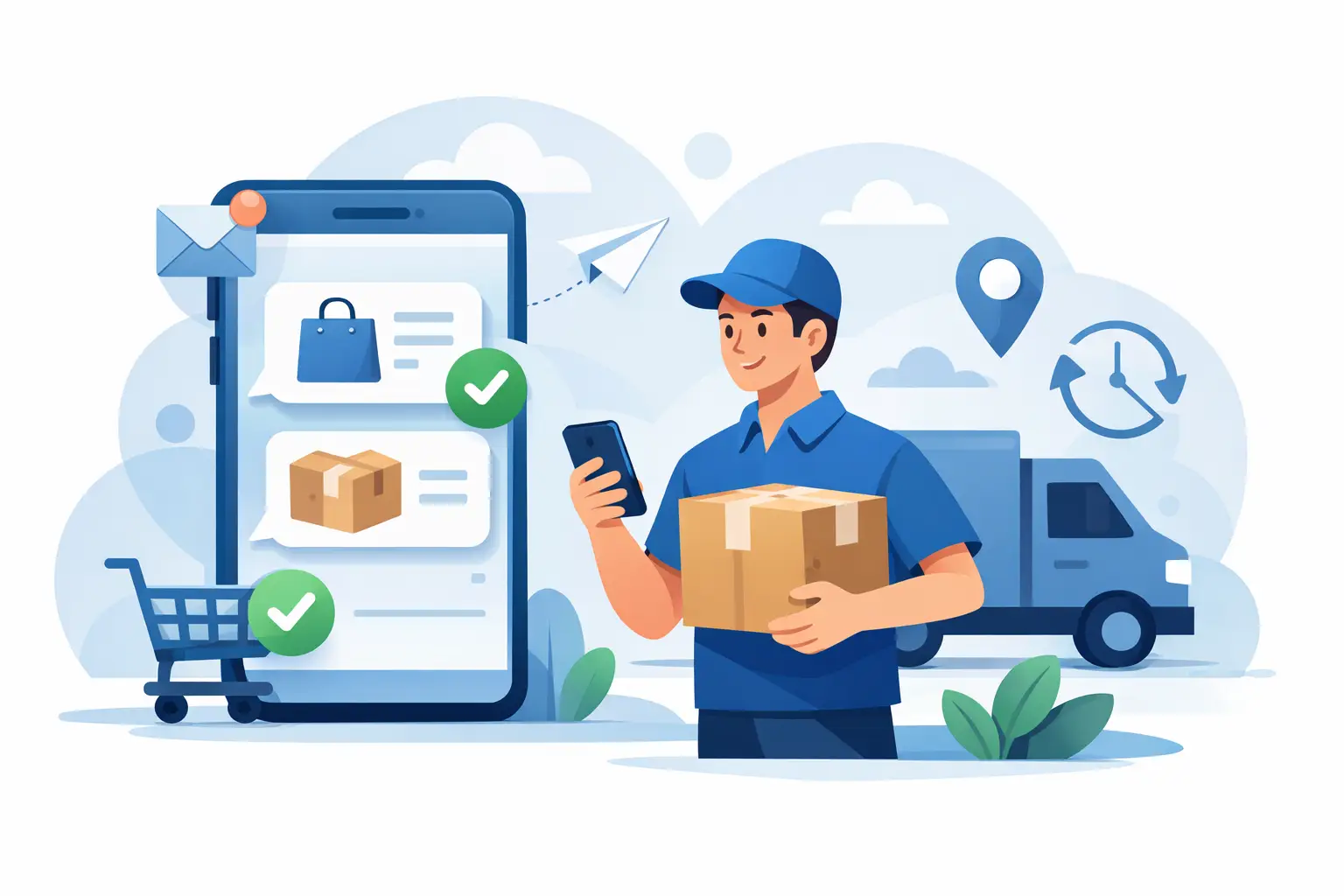
How to design order SMS notifications that reduce support contacts: confirmation, dispatch, out-for-delivery and delay alerts — with message templates.

The pricing traps to avoid when selecting an SMS provider — per-message fees, setup charges, minimum spends, long number costs — and what fair pricing looks like.

Segmentation strategies for SMS campaigns: by purchase history, engagement, location, lifecycle stage and more — with examples of segments that outperform broad lists.

A transparent breakdown of business SMS pricing: per-message rates, volume discounts, international costs, platform fees and how to calculate the true cost per campaign.

What an SMS gateway does, how it connects to mobile networks, and the key factors — reliability, coverage, pricing, API quality — to compare when choosing one.

Actionable steps to improve SMS delivery: validate numbers before sending, choose quality routes, avoid content filters, monitor failure codes and clean your lists regularly.

How to implement SMS code authentication securely: OTP generation, code length, expiry, rate limiting, delivery monitoring and handling failed verifications.

A complete guide to SMS cart abandonment recovery: when to send, what to say, how many follow-ups, and what incentives actually bring shoppers back to checkout.

Build automated SMS notification flows that trigger on real events — purchases, sign-ups, deliveries, renewals — with tips on sequencing, timing and opt-out handling.

What a custom SMS sender ID is, how to register one, which countries support alphanumeric sender IDs, and how a recognisable sender name improves open rates.

MNP (Mobile Number Portability) lookup tells you which network a number currently belongs to. Learn why it matters for SMS routing, cost and delivery reliability.

HLR lookup checks whether a mobile number is active and reachable before you send. Learn how it works and how to use it to cut wasted SMS spend.

A guide to SMS-based phone number verification: OTP flow design, API integration, conversion best practices and handling edge cases like ported or virtual numbers.
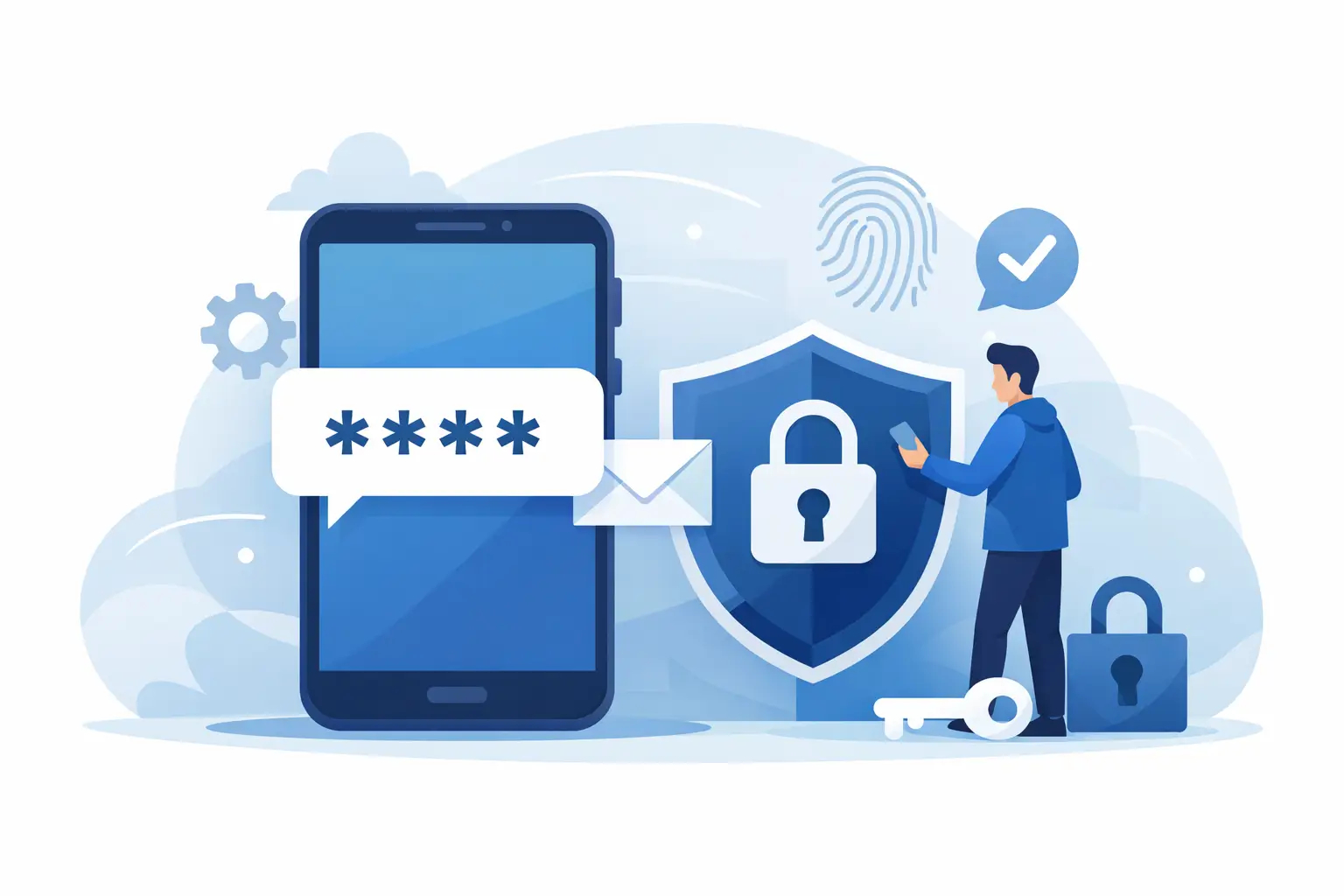
How to implement SMS OTP authentication securely: code generation, expiry, rate limiting, fraud signals and what to do when OTP delivery fails.

The fundamentals of effective SMS marketing: building a consented list, writing messages that convert, choosing the right send time, and measuring success.

What to evaluate in a bulk SMS platform: throughput, delivery rates, API documentation, contact management, reporting and pricing — a practical buyer's guide.

How e-commerce businesses use SMS campaigns for promotions, cart recovery, post-purchase follow-ups and loyalty — with real message examples.
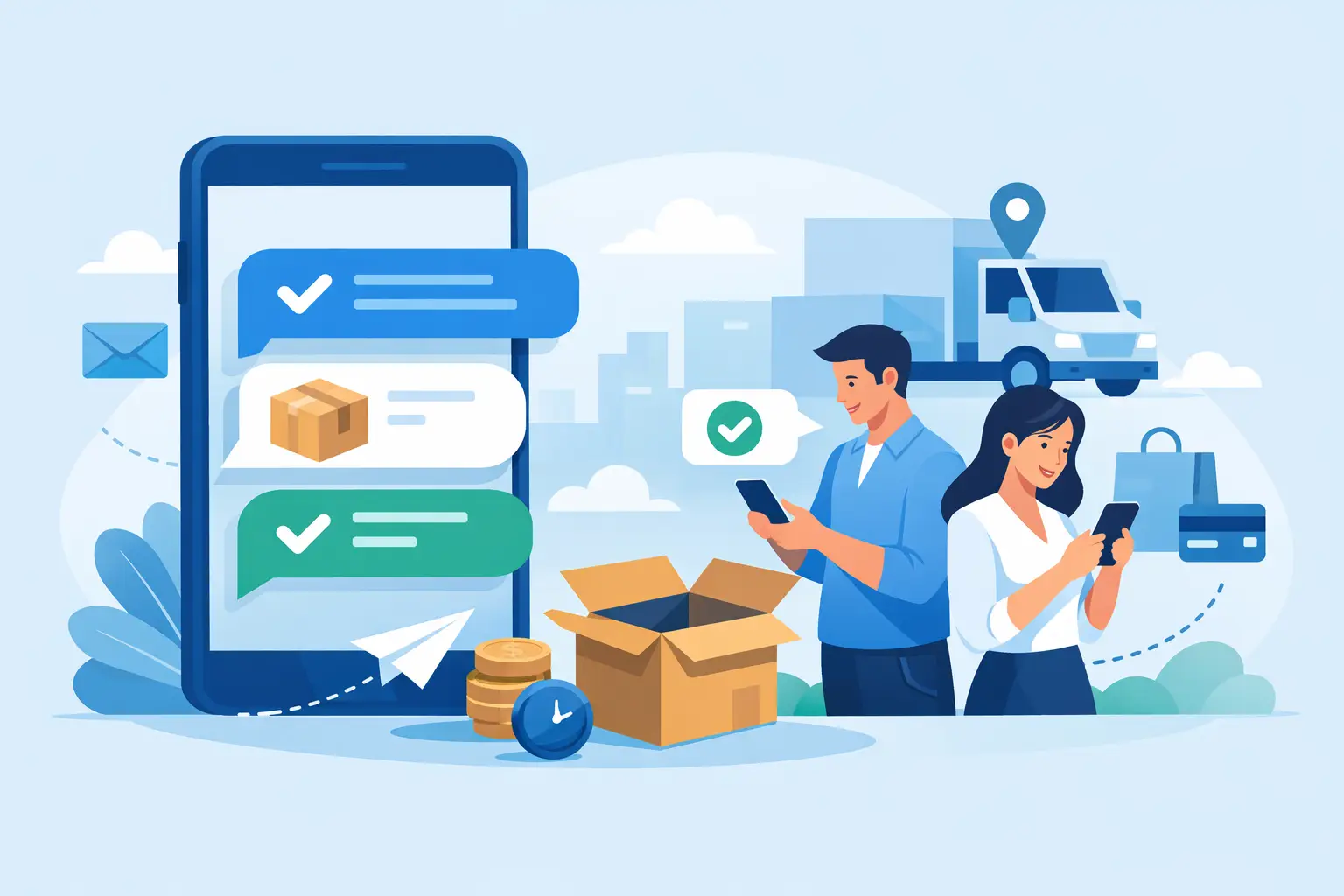
Guidelines for transactional SMS content — clarity, brevity, sender identification, actionable language — and how to ensure your messages arrive on time.

A developer's guide to evaluating SMS APIs: endpoint design, authentication, number formatting, delivery webhooks, error codes, sandbox and SDK quality.

Step-by-step integration of an SMS API with an e-commerce platform: authentication, sending order notifications, handling delivery callbacks and managing errors.

The scenarios where two-way SMS pays off — support, appointment management, lead qualification — and what you need in place before enabling customer replies.

Learn how bidirectional SMS works for clients, when it is worth implementing, and how it increases responses, support, and conversions.

SMS campaigns for e-commerce that increase conversions, recover abandoned carts, and deliver relevant messages quickly, at scale.

Learn how to integrate SMS API for an online store for confirmations, OTP, deliveries, and campaigns, with clear steps, controlled costs, and scalability.

A complete walkthrough for planning and running an SMS marketing campaign: goal setting, audience selection, copy writing, scheduling, compliance and analysis.

How companies use SMS for internal alerts, on-call notifications, urgent updates and team coordination — and when SMS outperforms email or chat tools.

Why bulk SMS is a high-ROI channel for e-commerce: the use cases with the strongest impact on conversion, retention and average order value.

How growing businesses use SMS across marketing, operations, support and authentication — and the practical steps to start getting measurable results.

SMSense is your global hub for premium A2P SMS services. With cutting-edge technology and a commitment to excellence, we empower businesses worldwide to connect with their audience reliably and effectively.
From multinational corporations to startups, our customizable solutions elevate communication strategies to new heights.